
Lancaster Christ Church C of E Primary School
Computing
- Why is Computing important?
Computing allows us to solve problems, design systems, and understand the power and limits of human and machine intelligence. It is a skill that empowers, and one that all pupils should be aware of and develop competence in. Pupils who can think computationally are better able to conceptualise, understand and use computer-based technology, and so are better prepared for today’s world and the future.
Computing at School - Computing in the National Curriculum
The INTENT of our Computing Curriculum
Aims of the Computing Curriculum
The national curriculum for computing aims to ensure that all pupils:
* can understand and apply the fundamental principles and concepts of computer science, including abstraction, logic, algorithms and data representation
* can analyse problems in computational terms, and have repeated practical experience of writing computer programmes in order to solve such problems
* can evaluate and apply information technology, including new or unfamiliar technologies, analytically to solve problems
* are responsible, competent, confident and creative users of information and communication technology.
Aims of the Computing Curriculum at Lancaster Christ Church School
Through the teaching of Computing at Lancaster Christ Church, we aim to:
* provide an exciting, rich, relevant and challenging curriculum.
* enthuse and equip children with the capability to use technology throughout their lives.
* give children access to a variety of hardware, software and unplugged resources.
* facilitate opportunities for children to use their skills cross curricular.
* instil critical thinking, reflective learning and a ‘can do’ attitude for all our pupils, particularly when engaging with technology and its associated resources.
* encourage and teach our pupils to be safe, responsible and respectful citizens in the digital world upholding Christian values.
The IMPLEMENTATION of our Computing Curriculum
Statutory Requirements
The statutory requirements for the teaching of Computing, as outlined in the National Curriculum Programme of Study are as follows:
Key stage 1
Pupils should be taught to:
* understand what algorithms are; how they are implemented as programmes on digital devices; and that programmes execute by following precise and unambiguous instructions
* create and debug simple programmes
* use logical reasoning to predict the behaviour of simple programmes
* use technology purposefully to create, organise, store, manipulate and retrieve digital content
* recognise common uses of information technology beyond school
* use technology safely and respectfully, keeping personal information private; identify where to go for help and support when they have concerns about content or contact on the internet or other online technologies.
Key stage 2
Pupils should be taught to:
* design, write and debug programmes that accomplish specific goals, including controlling or simulating physical systems; solve problems by decomposing them into smaller parts
* use sequence, selectin, and repetition in programmes; work with variables and various forms of input and output
* use logical reasoning to explain how some simple algorithms work and to detect and correct errors in algorithms and programmes
* understand computer networks, including the internet; how they can provide multiple services, such as the world wide web; and the opportunities they offer for communication and collaboration
* use search technologies effectively, appreciate how results are selected and ranked, and be discerning in evaluating digital content
* select, use and combine a variety of software (including internet services) on a range of digital devices to design and create a range of programmes, systems and content that accomplish given goals, including collecting, analysing, evaluating and presenting data and information
* use technology safely, respectfully and responsibly; recognise acceptable/unacceptable behaviour; identify a range of ways to report concerns about content and contact
How is the Computing Curriculum planned at Lancaster Christ Church?
At Lancaster Christ Church, we are committed to providing a broad and balanced curriculum which provides rich opportunities for children to explore a range of subjects, thus developing a variety of knowledge, skills and interests which they can apply to opportunities, responsibilities and experiences in later life.
We value the individuality of our children and their various curriculum strengths and interests. As a school, we aim to provide opportunities for children to build upon these to become the best that they can be:
“Each of you should use whatever gift you have received to serve others, as faithful stewards of God’s grace in its various forms.”
1 Peter 4: 10
We have adopted a Computing curriculum which aims to equip children with the necessary skills and knowledge for a sucessful digital future by:
*ensuring that they learn to use technology responsibly and safely, building essential skills for the future
* enhancing children's digital literacy skills
* exposes children to a variety of digital tools and technological skills

At Lancaster Christ Church, we use Purple Mash to support teaching and learning in Computing.
Computing in Year 1
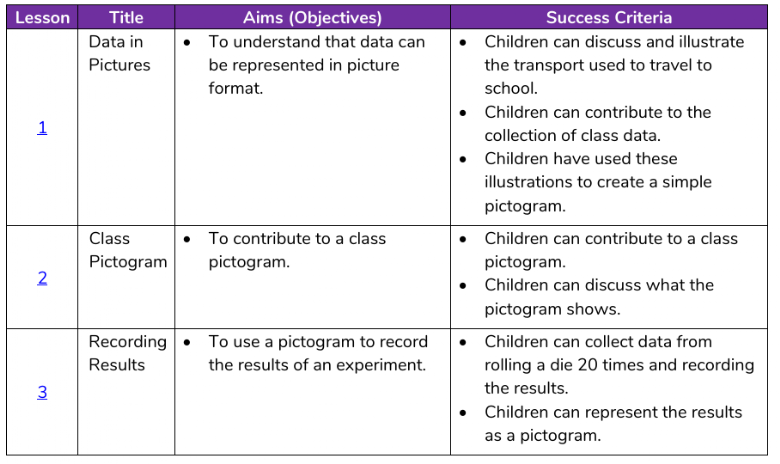
Computing in Year 2
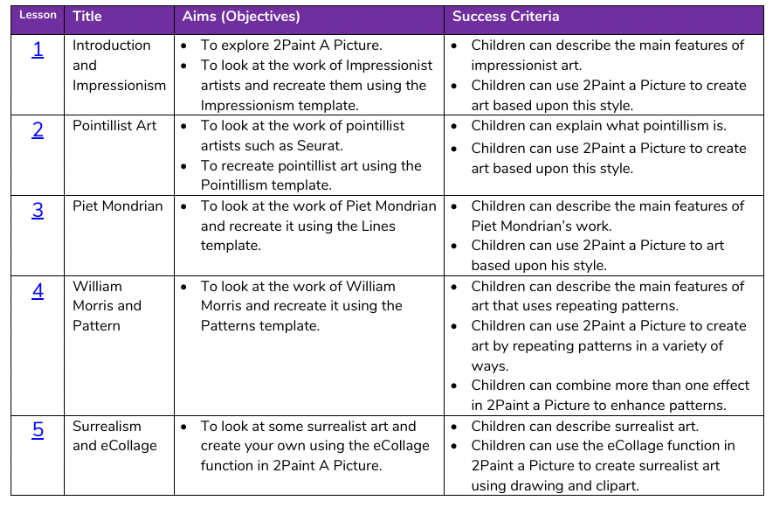
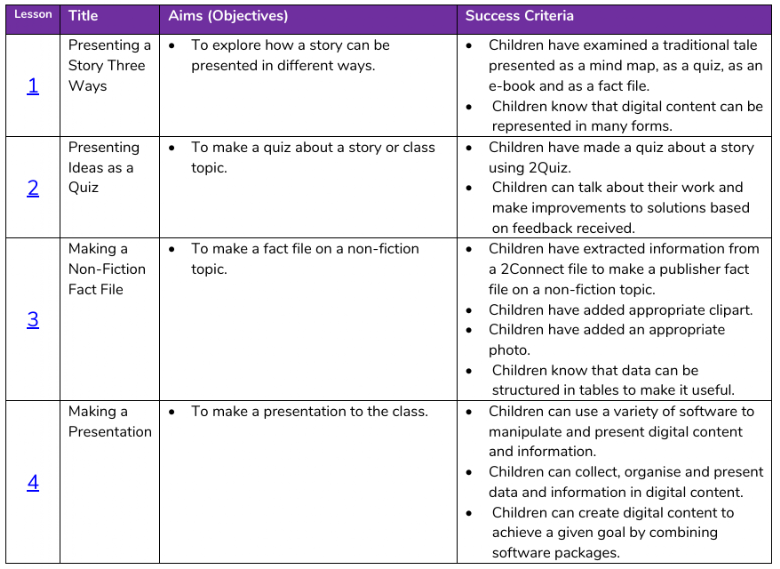
Computing in Year 3
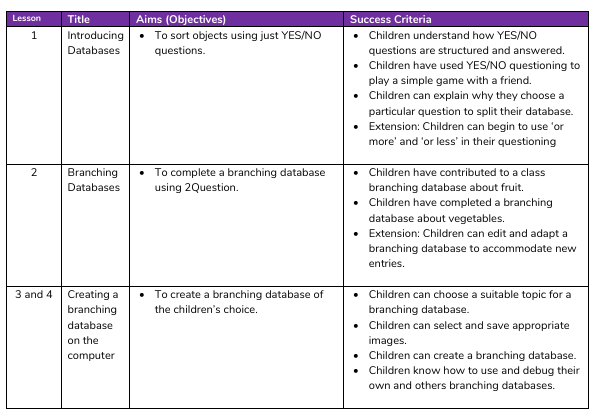
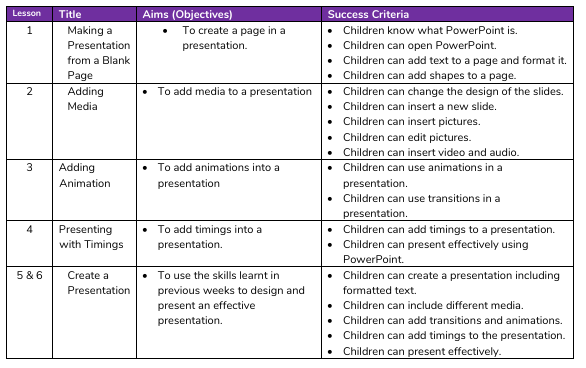
Computing in Year 4
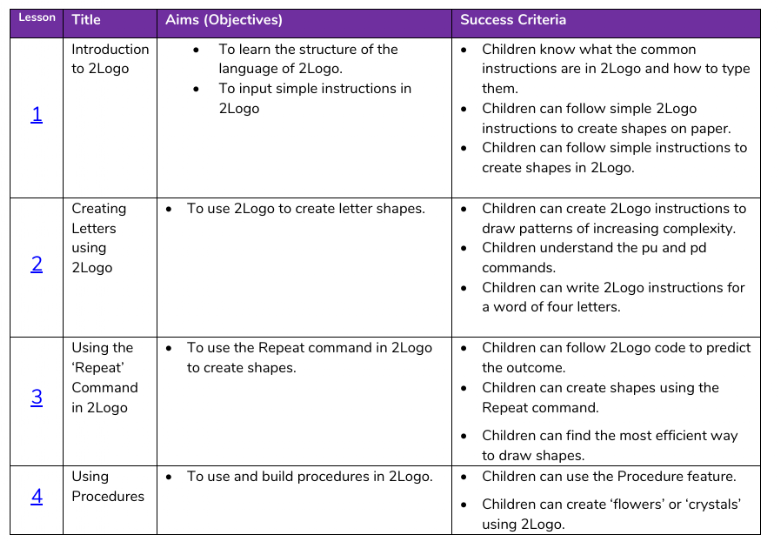
Computing in Year 5
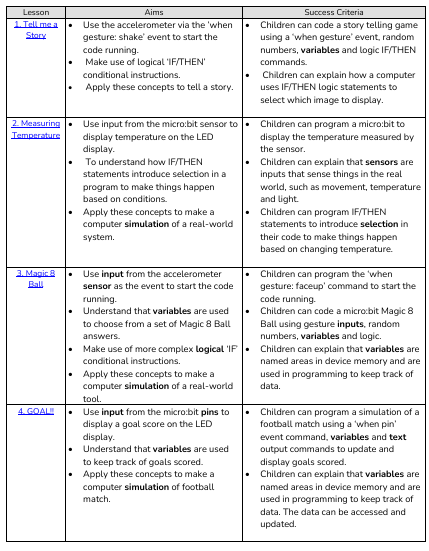
Computing in Year 6